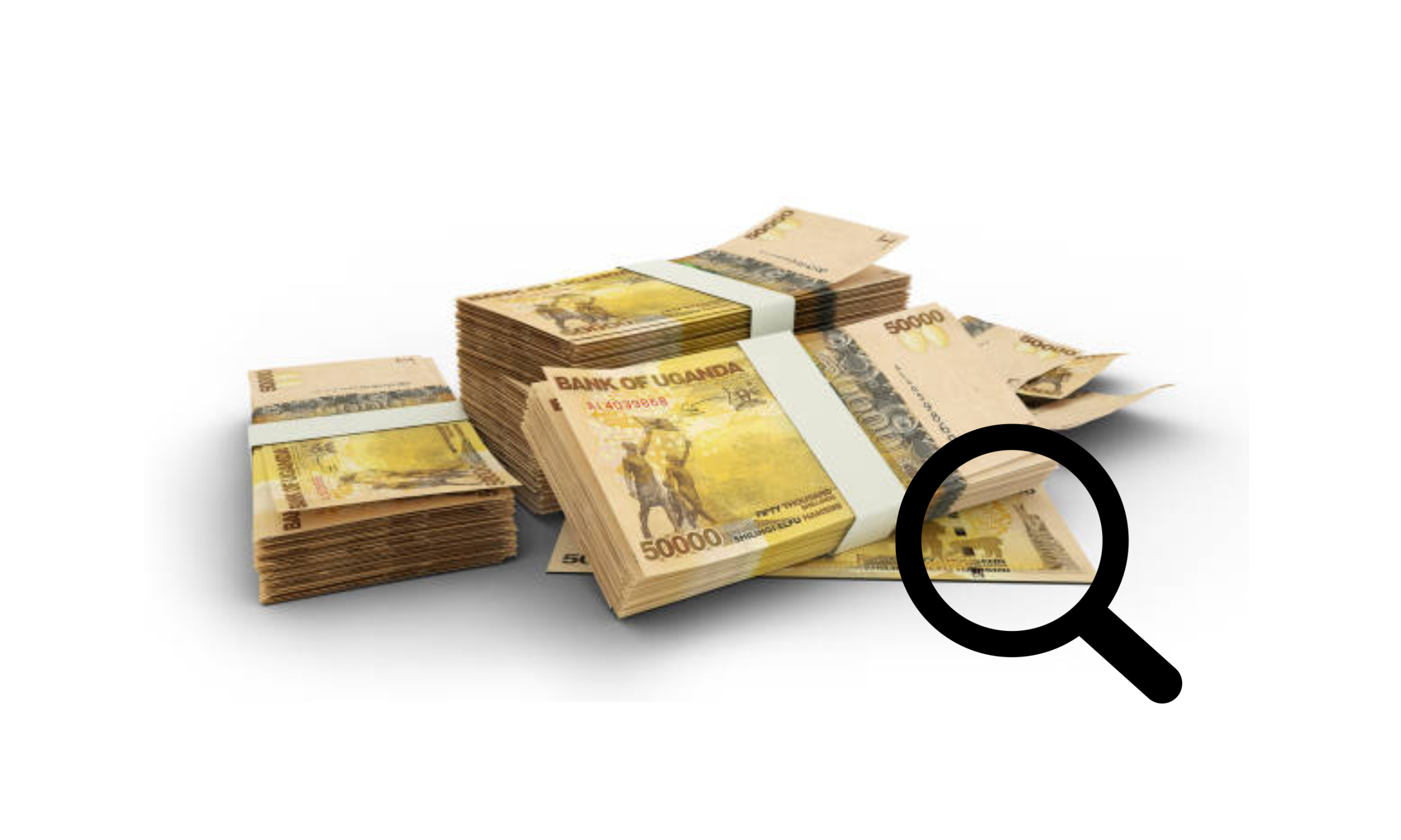
To differentiate a fake Ugandan Shilling note from an original, check for raised intaglio printing, a clear watermark of the crested crane, and a windowed security thread that changes color from red to green when tilted.
Authentic notes have crisp, high-quality printing, while fakes often show ink smudges, poor alignment, and lack the UV-light sensitive features.
The video below provides a visual demonstration of how to identify a fake note:
Key Security Features to Check:
Feel the Texture: Genuine Ugandan notes are made of specialized paper/polymer, and the ink feels raised and thick, especially on the words "Bank of Uganda" and the denomination.
Watermark: When held up to the light, a clear image of the Crested Crane and the note's value should appear in the white, unprinted area.
Security Thread: A metallic thread runs through the paper. It appears as a silvery stripe but turns from red to green when tilted.
Color-Shifting Ink (SPARK): Uganda uses advanced optical security features (SPARK). The security patch on the note changes color when moved.
Serial Numbers: Check that the serial numbers are unique, properly aligned, and not identical across multiple notes, as scammers often use the same number.
Clear Window: On newer, smaller-denomination notes, check the transparent window to ensure it is part of the note, not pasted on.
Common Signs of a Fake Note:
Blurry Printing: Poor, blurry, or faint, particularly on the portrait and fine lines.
Ink Smudges: Ink that comes off when rubbed.
No Watermark/Thread: The absence of a clear portrait or a metallic thread when held to the light.
NOTE: If you suspect a note is counterfeit, do not accept it.
The Bank of Uganda advises that anyone in possession of such notes should immediately report them.

0 Comments