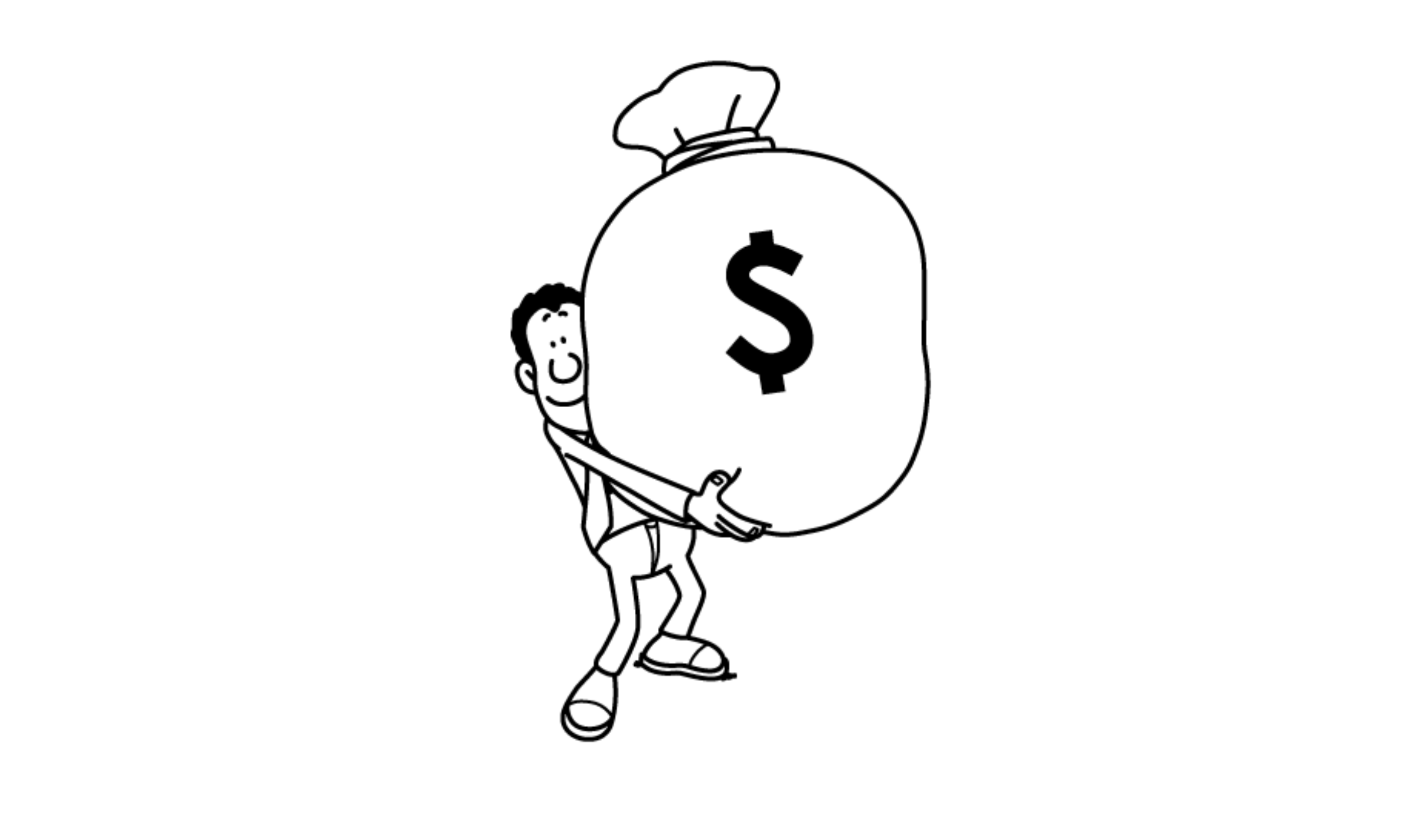
Saving money like a pro in 2026 requires shifting from passive budgeting to active, automated, and intentional financial management.
With anticipated economic shifts, top strategies include leveraging high-yield, tech-driven financial tools, ruthlessly eliminating subscription bloat, and adopting a "thrifty-first" approach to consumption.
Here is your comprehensive, professional guide to saving money in 2026:
1). Advanced Budgeting & Automation (The "Set & Forget" Strategy).
Automate Savings: Set up automatic, recurring transfers from your paycheck to a high-yield savings account (HYSA) before you can spend it. This ensures you "pay yourself first".
Use Zero-Based Budgeting: Assign every single dollar a job at the beginning of the month so you know exactly where your money is going.
Utilize Budgeting Apps: Use tools like YNAB (You Need A Budget) or EveryDollar to track expenses and give every cent a purpose.
The "No-Spend" Challenge: Periodically initiate a "low-buy" month, where you restrict all nonessential spending to reset your financial habits.
2). High-Yield & Smart Banking.
Switch to High-Yield Savings Accounts (HYSA): Move money out of traditional low-interest checking accounts into HYSAs, which can offer significant, compounding interest.
Automate Micro-Saving: Use apps like Acorns or Qapital to round up purchases and automatically save or invest the difference.
Verify Bank Fees: Review your accounts for monthly fees and switch to free checking/savings options.
3). Smart Shopping & Consumption Hacks.
The "Thrift-First" Rule: Before buying new, check Facebook Marketplace, Poshmark, or local thrift shops for clothes, furniture, and electronics.
Use Price Tracking Tools: Use browser extensions like Honey or CamelCamelCamel to monitor prices and avoid buying items at peak costs.
Buy Generic & Bulk: Purchase store-brand items (20-30% cheaper) and buy in bulk for household essentials, calculating unit prices to ensure savings.
The 30-Day Rule: For non-essential items, put them on a wishlist and wait 30 days. If you still want it and have a use for it after a month, buy it—otherwise, skip it.
4). Ruthless Subscription & Expense Audit.
The Quarterly Audit: Review your bank statements every three months to identify "ghost subscriptions" (streaming, apps, gym memberships) you no longer use.
Digital Minimalism: Delete, unfollow, and unsubscribe from retailer emails and social media accounts that trigger impulse, FOMO-driven spending.
Rotate Streaming Services: Instead of subscribing to five platforms, keep only one, binge-watch your favorites, then switch to another.
5). Managing Fixed Costs & Debt.
Negotiate Insurance Rates: Audit your auto and home insurance annually and bundle policies for discounts, or switch to a cheaper provider.
Refinance High-Interest Debt: Utilize zero-interest balance transfer cards to pay down debt faster, especially if interest rates have dropped.
Energy Optimization: Lower energy bills by using smart thermostats, switching to LED bulbs, and improving home insulation.
6). Food & Lifestyle Savings.
Meal Planning: Plan your weekly meals to avoid last-minute, expensive takeout. Use leftovers for lunches.
Skip the Coffee Shop: Make coffee at home to save several dollars daily, which compounds over a year.
Free Entertainment: Use the local library for free access to DVDs, streaming apps (like Hoopla or Libby), and books instead of paying for them.
Summary Checklist for 2026.
1). Automate: 20% of income to savings
2). Audit: Cancel unused subscriptions
3). Optimize: Switch to a high-yield savings account
4). Buy: Used/Refurbished first
5). Plan: Meal plan and set a "no-spend" challenge.

0 Comments